
An Integrated Learning Ecosystem for the AI Era
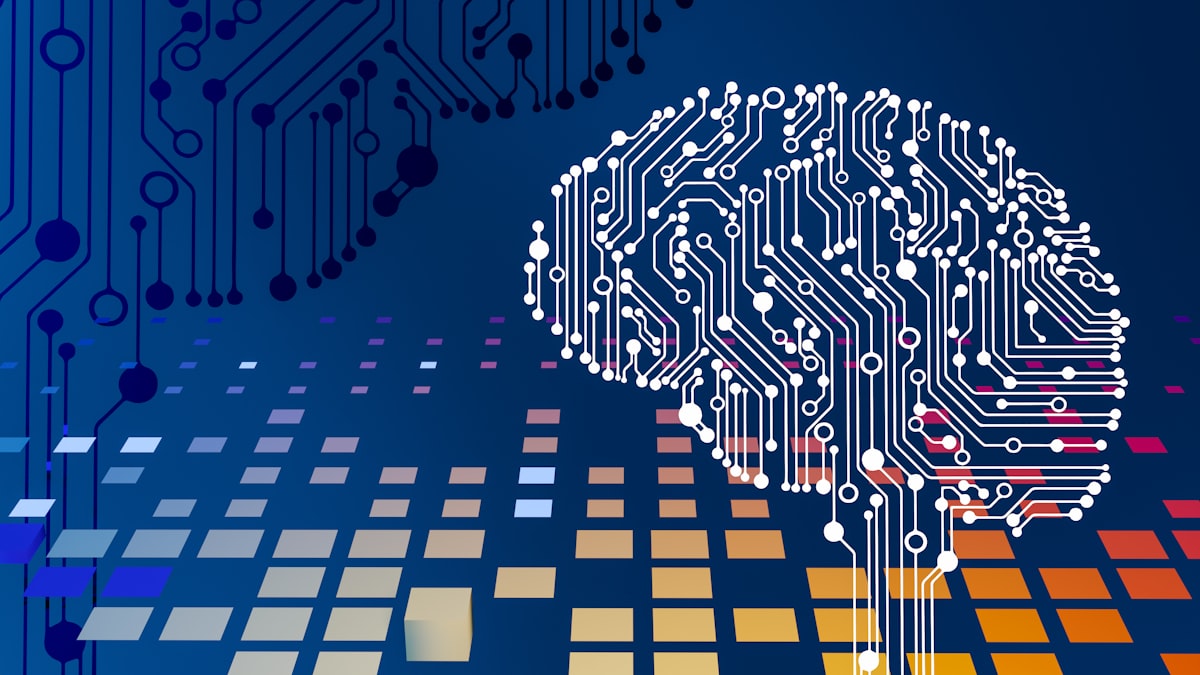
Effective education in the AI era cannot rely on isolated tools or fragmented pedagogies. Brain-Based Learning is the operating system. Science of Learning, Learning Sciences, DI, UDL, and AI are the layers that make the whole ecosystem work.
The Central Idea
Brain-Based Learning (BBL) is the foundational operating system of learning — the biological and neurocognitive foundation for how learning naturally occurs in the human brain. Science of Learning, Learning Sciences, Differentiated Instruction, Universal Design for Learning, and AI work together as interconnected layers that support human learning, adaptability, and flourishing. Without understanding how the brain naturally learns, educational innovations become fragmented and ineffective.
The Ecosystem Analogy
Just as a smartphone requires an operating system, system engines, applications, and enabling tools to function as a whole, education needs an integrated ecosystem where every component plays a complementary role.
1. Operating System: Brain-Based Learning
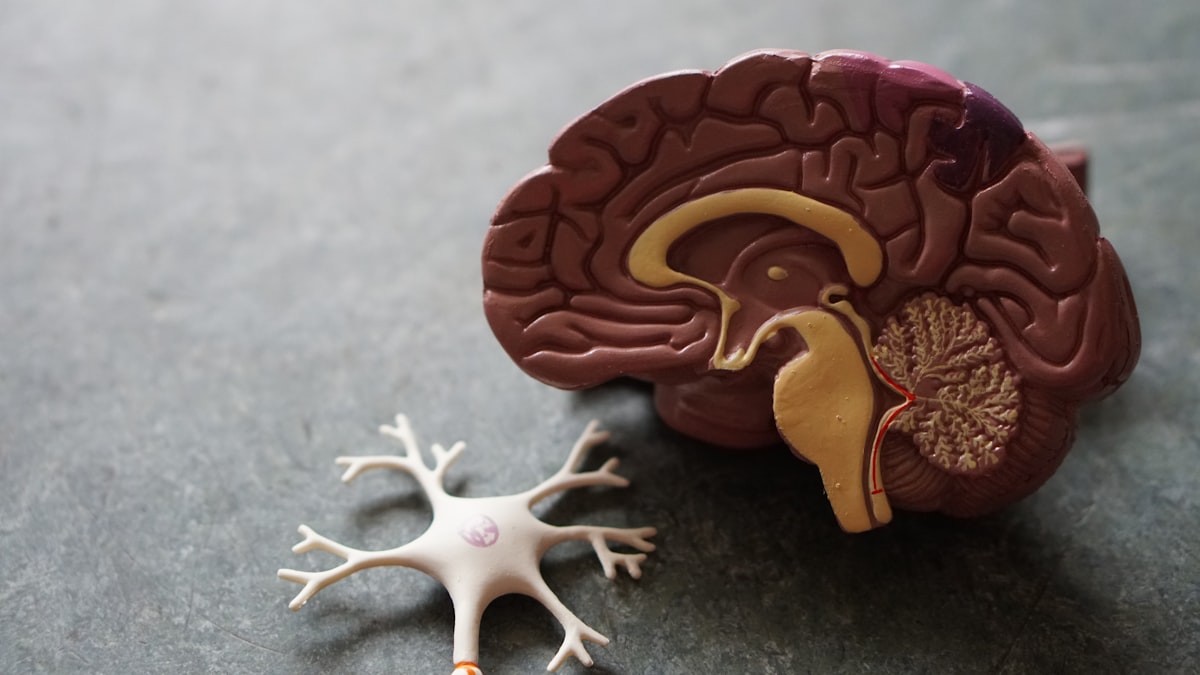
An operating system controls how everything functions. Similarly, BBL provides the biological foundation for how learning naturally occurs. It answers the fundamental question: "How does the human brain naturally learn?" — and it becomes the foundation upon which all other approaches are built.
Key Brain-Based Principles
- Emotion drives attention; attention drives memory; meaning drives retention
- Repetition and retrieval strengthen neural pathways
- Social interaction and reflection enhance learning
- Stress and fear impair cognition; curiosity activates motivation
Example: Learning fractions through cooking — measuring ingredients, dividing pizza slices, comparing quantities — activates sensory learning, emotional engagement, pattern recognition, and meaning-making simultaneously. The brain learns more deeply because the experience is real, emotional, embodied, and contextual.
2. System Engines: Science of Learning & Learning Sciences
Science of Learning (SoL)
Acts as the research engine that validates effective learning principles. It draws evidence from cognitive psychology, neuroscience, memory research, and cognitive load theory to identify what improves learning and why.
Key evidence-based mechanisms: spaced repetition, retrieval practice, interleaving, dual coding, elaboration, and feedback timing.
Example: Spaced retrieval — revisiting concepts over time with low-stakes recall strengthens long-term memory far more effectively than rereading notes.
Learning Sciences (LS)
Translates research into actual learning environments, pedagogies, and systems. It asks: "How do we design environments that make learning work in real life?"
Draws from psychology, education, AI, sociology, design thinking, and technology-enhanced learning to build authentic, collaborative, inquiry-based environments.
Example: A STEM robotics challenge where students build autonomous robots — integrating collaboration, iterative design, failure and feedback, and real-world problem solving.
3. Applications: Differentiated Instruction & Universal Design for Learning
Differentiated Instruction (DI)
Personalises learning according to readiness, interests, learning profile, pace, and strengths. The brain develops differently across individuals — so teaching must be adaptive rather than uniform. Teachers differentiate content, process, product, and learning environment.
Example: Teaching the water cycle — visual learners create diagrams, verbal learners explain orally, kinesthetic learners build models, advanced learners analyse climate systems. Same concept, different brain-compatible pathways.
Universal Design for Learning (UDL)
Ensures learning is accessible and inclusive from the start — not adapted after the fact. Built around three principles: multiple means of engagement, multiple means of representation, and multiple means of expression.
Example: A digital history lesson where students can watch videos, read text, listen to audio, interact with simulations, and respond through writing, speaking, drawing, or multimedia — inclusive by design.
4. Enabling Layer: AI Under Human Judgment
AI Is Not the Operating System
AI is the enabling layer that amplifies access, feedback, simulation, personalisation, and analytics. But it operates under human judgment. AI should augment human thinking — not replace human wisdom. Ethics, values, empathy, and meaning-making must remain fundamentally human.
The Paradigm Shift
FROM (Industrial Model)
- Content delivery & standardisation
- Memorisation & exam-centric learning
- Isolated pedagogies
- One-size-fits-all instruction
TO (Integrated Ecosystem)
- Adaptive learning ecosystems
- Brain-compatible, personalised pathways
- Higher-order thinking & human flourishing
- Wise human-AI collaboration
The Final Insight
In the AI era, the future of education is not merely about teaching more knowledge. It is about designing brain-compatible ecosystems that cultivate adaptive, ethical, creative, emotionally intelligent, and wise human beings who can flourish alongside AI.
Without the operating system, the apps cannot function properly. Without understanding how the brain naturally learns, educational innovations — however sophisticated — may remain fragmented and ultimately ineffective.